
2026 Recap
Following a long and drawn-out vintage of 2025, the last thing we expected would be to have the next harvest largely wrapped up before labor day of 2026. So what led to this early harvest?
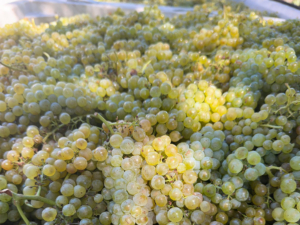
The winter was very mild and low rainfall. Once we saw budbreak in February, we figured cool spring weather would slow things down but instead March became quite hot as though we were heading into summer weather. These events really sped up the vine kinetics and then unfortunately, as we were heading into flowering, we had cool and moist weather. As berries started to size up, we all noticed that there were very light weight clusters, which ripen faster. This circumstance along with steady warm weather in summer led us to harvesting our first batch of fruit in late July and wrapping up harvesting mid-September.
Fortunately, I was able to reflect back on my first harvest internship of 1997 where we were harvesting largely at the same time with the exception of bountiful yields that year. I really stretched my imagination on how to ensure the quality and complexity of the resulting wines would be there while having an abbreviated ripening window. For white winegrapes, we did not elect to push ripeness sugar-wise as I knew we would have plenty of intensity given the early season and that we would need some restraint in the final wines. We pressed lighter pressure than normal as seed and pulp ripeness were not as plush as previous years. When pulp quality is not high, the pH of the juice raises very quick and we can lose vibrancy in the resulting wine if we do not watch carefully. So far, the white wines are showing wonderful depth, character, and structure.
As far as Pinot Noir, I was even more nervous about the resulting wines being more simplistic and less aromatic than typical seasons. As a result, some of the steps we took this year to enhance aromas and flavors was to let our gentler winemaking side come out. Meaning we did not conduct juice draws to concentrate the resulting juice and skins in tank. This step is fairly typical for us but given how brisk ripening was and the skins and seeds were not as seasoned as I like to see, I did not want to concentrate any potential harsh or bitter elements. Retaining most of the juice helps to maximize the fruity compounds and flavors. As well, we cut our usual yeast inoculations in half and on some lots, we relied on native yeast (indigenous vineyard and winery yeast take over). What this did was slow the rate of fermentation kinetics which can build more complexity of aromas and flavors. And lastly, nutritionally we lowered our usual rates as well as lowered tank temperatures of fermentations a touch so we could extend fermentation duration, building complexity and nuances.
Overall, we are really pleased with the intensity and depth of the wines thus far. While the contrast of climate is high year over year, we are excited with the results in the cellar.
We look forward to sharing with you vintage updates and the eventual wine when the timing is right.


